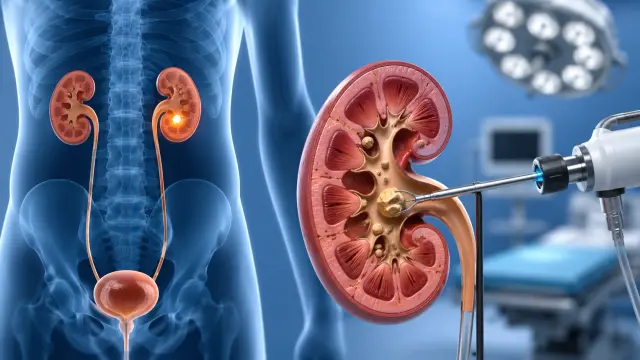
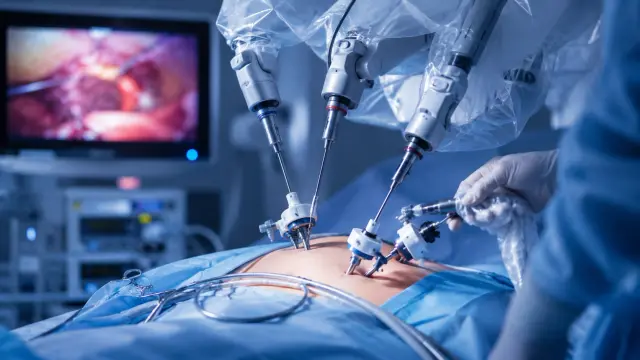
Laparoscopic & Robotic Partial Nephrectomy
A kidney-sparing operation that removes a tumour while preserving as much healthy kidney tissue as possible.
Urinary cancer care
Diagnosis and surgical care for cancers of the kidney, bladder, prostate and male reproductive organs.
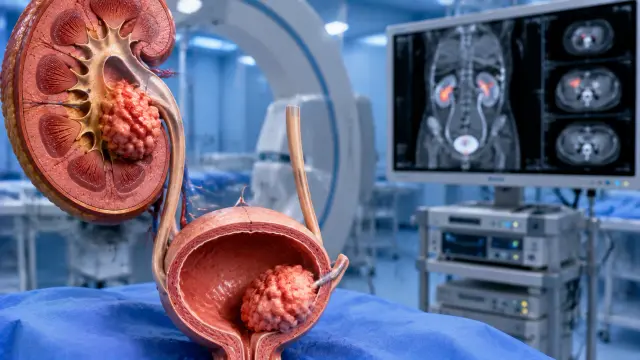
Treatment overview
Diagnosis and surgical care for cancers of the kidney, bladder, prostate and male reproductive organs. Treatment is selected after consultation, appropriate tests and a discussion of the benefits and limitations of each option.
Symptoms can have several causes. Seek urgent care for severe pain with fever, inability to urinate, or heavy bleeding.
Treatment options
A kidney-sparing operation that removes a tumour while preserving as much healthy kidney tissue as possible.
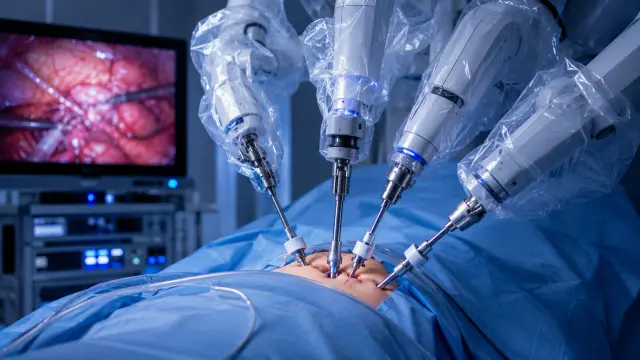
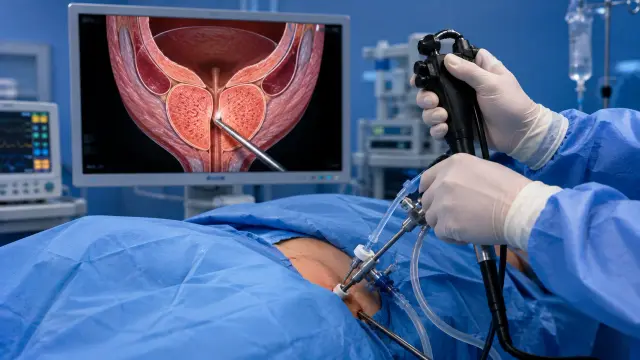
Robotic-assisted removal of the prostate and seminal vesicles for selected men with localised prostate cancer.
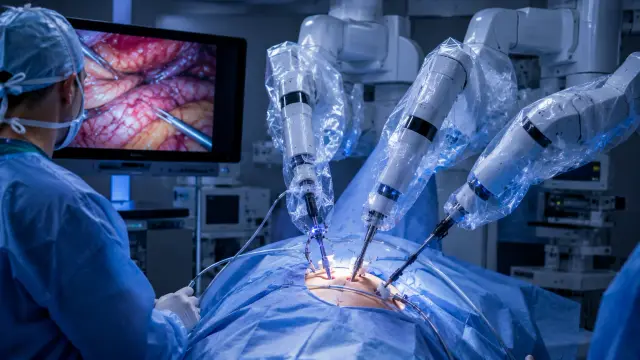
Removal of the urinary bladder for selected bladder cancers, together with reconstruction of a new way for urine to leave the body.
Diagnosis & planning
Symptoms, medical history, medication and previous treatment.
Appropriate laboratory work and imaging based on the condition.
Observation, medicine and procedural options explained together.
Common questions
Common concerns include blood in urine, persistent flank, pelvic or back pain, urinary pattern changes. These symptoms are not specific to one diagnosis, so assessment is important.
Diagnosis may combine a medical history, examination, urine or blood tests and appropriate imaging. The exact work-up depends on the symptoms and suspected condition.
No. Observation, lifestyle measures or medicine may be appropriate for some conditions. A procedure is recommended only after diagnosis and discussion of suitable alternatives.
Related services
Kidney & urinary stones
Advanced evaluation and minimally invasive options to remove or break up kidney and ureteric stones.
Prostate health
Modern surgical options for urinary obstruction, prostate enlargement and selected prostate cancers.
Men’s health
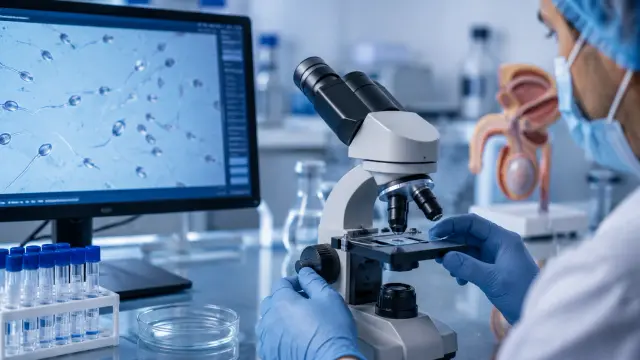
Confidential treatment for male fertility, reproductive health and urological concerns unique to men.
View treatmentTake the next step
Message the clinic on WhatsApp or call directly. No forms, no waiting for an email reply.