
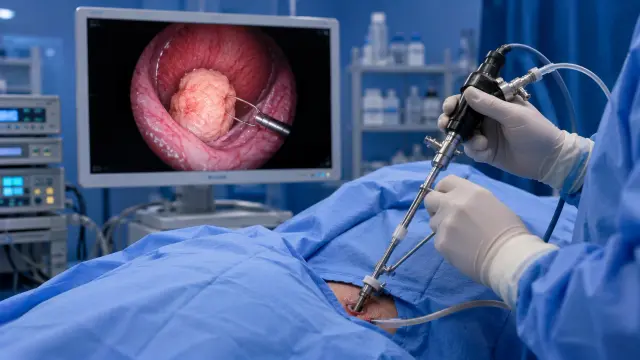
Transurethral Resection of the Prostate (TURP)
A well-established endoscopic procedure that removes obstructing prostate tissue through the urethra to improve urine flow.
Prostate Surgery
Minimally invasive techniques that remove the prostate through small abdominal ports in carefully selected patients.
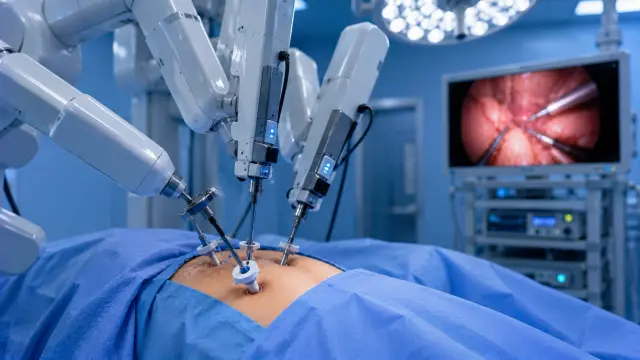
Procedure overview
Robotic-assisted surgery gives the surgeon a magnified view and articulated instruments. Compared with open surgery, potential benefits for suitable patients include smaller incisions, reduced blood loss and a shorter hospital stay.
Important. This page provides general education. Your diagnosis, treatment choice and recovery plan must be confirmed in consultation.
When it may be considered
Diagnosis & preparation
Specific tests vary. Bring existing reports so unnecessary repetition can be avoided where possible.
Potential benefits
All procedures have potential risks and may not achieve the same result for every patient. Alternatives, risks and expected outcomes should be discussed personally.
Recovery & follow-up
A catheter remains in place while the urinary connection heals. Recovery, continence and sexual-function rehabilitation are individual and should be discussed before surgery.
These may include fever, worsening pain, heavy bleeding, breathing difficulty or inability to pass urine. Follow the discharge instructions given to you.
Procedure FAQs
Suitability depends on your diagnosis, test results, general health and treatment goals. A consultation is needed to compare this procedure with observation, medicine or other procedural options.
Bring relevant imaging, laboratory reports, discharge summaries, a medicine and allergy list, and details of previous surgery or treatment.
Recovery varies by procedure and patient. Dr. Anand and the hospital team will explain the expected stay, activity limits, medicines, follow-up and warning signs for your individual plan.
Related procedures
A well-established endoscopic procedure that removes obstructing prostate tissue through the urethra to improve urine flow.
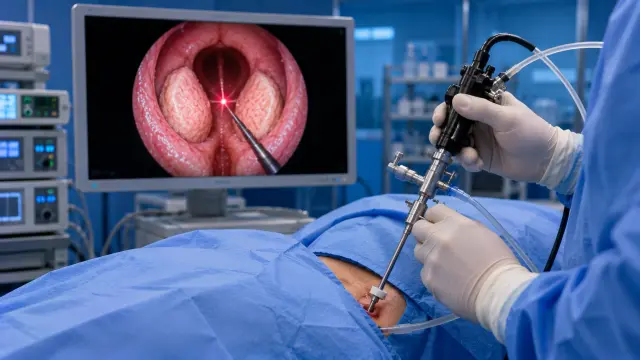
A laser procedure that removes prostate tissue blocking urine flow, with the tissue divided into pieces for safe removal.
Take the next step
Message the clinic on WhatsApp or call directly. No forms, no waiting for an email reply.