
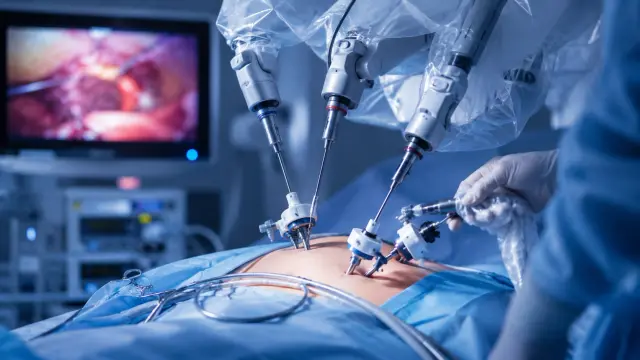
Laparoscopic & Robotic Partial Nephrectomy
A kidney-sparing operation that removes a tumour while preserving as much healthy kidney tissue as possible.
Uro-Oncology
Removal of the urinary bladder for selected bladder cancers, together with reconstruction of a new way for urine to leave the body.
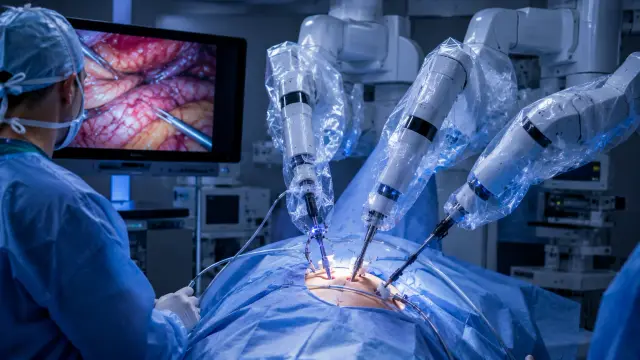
Procedure overview
Radical cystectomy is a major cancer operation. In men it commonly includes the prostate and seminal vesicles; in women, other nearby organs may be included depending on the disease. Urinary diversion is planned as part of the procedure.
Important. This page provides general education. Your diagnosis, treatment choice and recovery plan must be confirmed in consultation.
When it may be considered
Diagnosis & preparation
Specific tests vary. Bring existing reports so unnecessary repetition can be avoided where possible.
Potential benefits
All procedures have potential risks and may not achieve the same result for every patient. Alternatives, risks and expected outcomes should be discussed personally.
Recovery & follow-up
Recovery includes hospital care, mobility, nutrition and learning to manage the chosen urinary diversion. Follow-up covers pathology, wound care, hydration and long-term cancer surveillance.
These may include fever, worsening pain, heavy bleeding, breathing difficulty or inability to pass urine. Follow the discharge instructions given to you.
Procedure FAQs
Suitability depends on your diagnosis, test results, general health and treatment goals. A consultation is needed to compare this procedure with observation, medicine or other procedural options.
Bring relevant imaging, laboratory reports, discharge summaries, a medicine and allergy list, and details of previous surgery or treatment.
Recovery varies by procedure and patient. Dr. Anand and the hospital team will explain the expected stay, activity limits, medicines, follow-up and warning signs for your individual plan.
Related procedures
A kidney-sparing operation that removes a tumour while preserving as much healthy kidney tissue as possible.
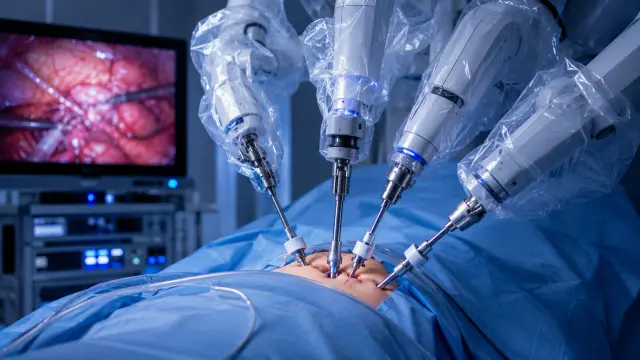
Robotic-assisted removal of the prostate and seminal vesicles for selected men with localised prostate cancer.
Take the next step
Message the clinic on WhatsApp or call directly. No forms, no waiting for an email reply.