
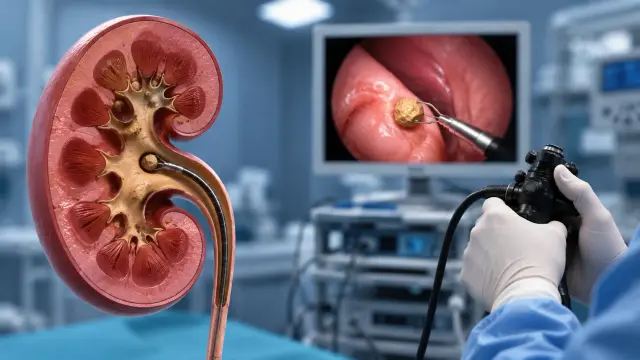
Ureteroscopy
A small telescope is passed through the urinary tract to locate and treat stones or investigate an obstruction without an external incision.
Renal Stone Treatment
A minimally invasive procedure designed to remove larger kidney stones through a small access point in the back.
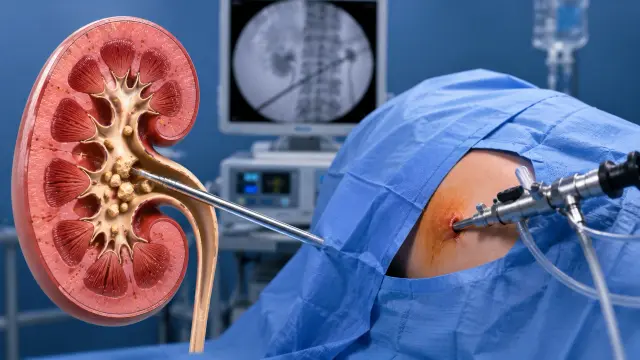
Procedure overview
PCNL is commonly considered for stones larger than about 2 cm, complex stones or stones positioned near the renal pelvis. A small tract provides direct access to fragment and remove stone material.
Important. This page provides general education. Your diagnosis, treatment choice and recovery plan must be confirmed in consultation.
When it may be considered
Diagnosis & preparation
Specific tests vary. Bring existing reports so unnecessary repetition can be avoided where possible.
Potential benefits
All procedures have potential risks and may not achieve the same result for every patient. Alternatives, risks and expected outcomes should be discussed personally.
Recovery & follow-up
A hospital stay and follow-up imaging may be needed. Return to normal activity varies, and your doctor will advise on wound care, hydration, medicines and signs that require urgent review.
These may include fever, worsening pain, heavy bleeding, breathing difficulty or inability to pass urine. Follow the discharge instructions given to you.
Procedure FAQs
Suitability depends on your diagnosis, test results, general health and treatment goals. A consultation is needed to compare this procedure with observation, medicine or other procedural options.
Bring relevant imaging, laboratory reports, discharge summaries, a medicine and allergy list, and details of previous surgery or treatment.
Recovery varies by procedure and patient. Dr. Anand and the hospital team will explain the expected stay, activity limits, medicines, follow-up and warning signs for your individual plan.
Related procedures
A small telescope is passed through the urinary tract to locate and treat stones or investigate an obstruction without an external incision.
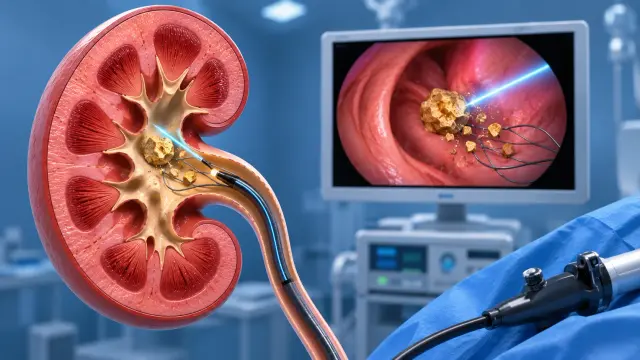
A flexible endoscope and laser are guided through the natural urinary passage into the kidney to treat stones without a kidney incision.
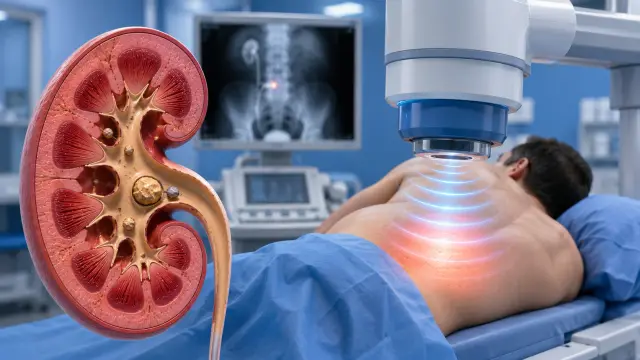
Focused shock waves generated outside the body break selected urinary stones into smaller fragments that can pass through the urinary tract.
Take the next step
Message the clinic on WhatsApp or call directly. No forms, no waiting for an email reply.